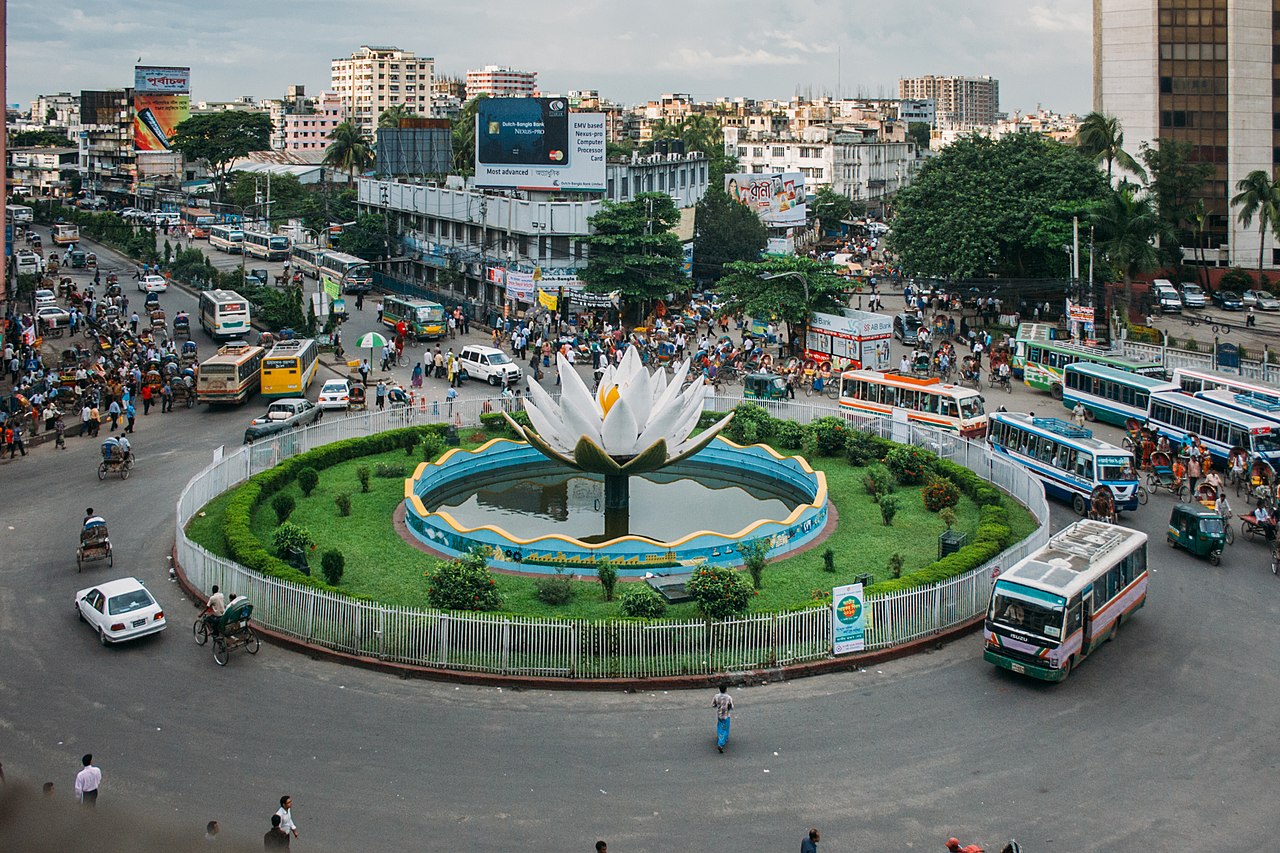
Dhaka District
From Mughal-era Jahangirnagar to modern capital, Dhaka’s rich history spans trade, muslin and liberation. Bangladesh's vibrant heart.
District Overview
Dhaka, the capital of Bangladesh, gained historical prominence during the Mughal era, though its origins remain debated. The name "Dhaka" may derive from the Dhak tree, drumbeats during city inauguration, a Prakrit dialect called Dhaka Bhasa, or ancient references like Dhakka in Rajatarangini. In 1610, Subahdar Islam Khan Chishti shifted Bengal's capital from Rajmahal to Dhaka and renamed it Jahangirnagar after Emperor Jahangir. However, locals and foreign traders continued using "Dhaka."
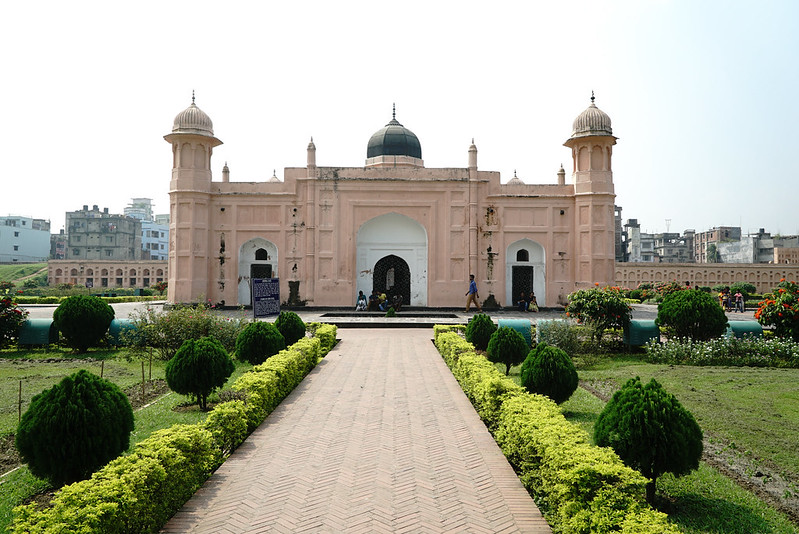
During Mughal rule, Dhaka flourished as an administrative and trade hub, famous for its high-quality muslin fabric, which attracted European companies trading silver and gold. Subahdars like Shah Shuja, Mir Jumla, and Shaista Khan left architectural legacies, including the Bara Katra, Chota Katra, gates, mosques (Chawkbazar, Sat Gambuj), and Bibi Pari’s tomb.
After the decline of Nawab rule and the rise of the East India Company in the late 18th century, Dhaka’s importance waned. Revival began in the 1840s, and by 1905, it became the capital of the new province of Eastern Bengal and Assam. In 1947, it became the capital of East Pakistan, and after the Liberation War of 1971, Dhaka emerged as the capital of independent Bangladesh—now the nation’s political, economic, and cultural epicenter.
Upazilas (5)
Tourist Attractions
District Administration
Deputy Commissioner (DC)
Farida Khanum
Superintendent of Police (SP)
Shamima Parvin
Civil Surgeon
Dr. Mohammad Zillur Rahman