Faridpur District
From Fatehabad's mint to Sufi saint's name, Faridpur’s history spans Faraizi movements, colonial heritage, and the Padma’s timeless flow.
District Overview
Faridpur District, established as a district by the British in 1786 (or 1815 per some sources), is a historic region in south-central Bangladesh . Originally part of the ancient mint town of Fatehabad during the Sultanate period, the district was named after the revered 13th-century Sufi saint Shah Fariduddin Masud . Greater Faridpur once encompassed five modern districts, including Rajbari, Gopalganj, Madaripur, and Shariatpur .
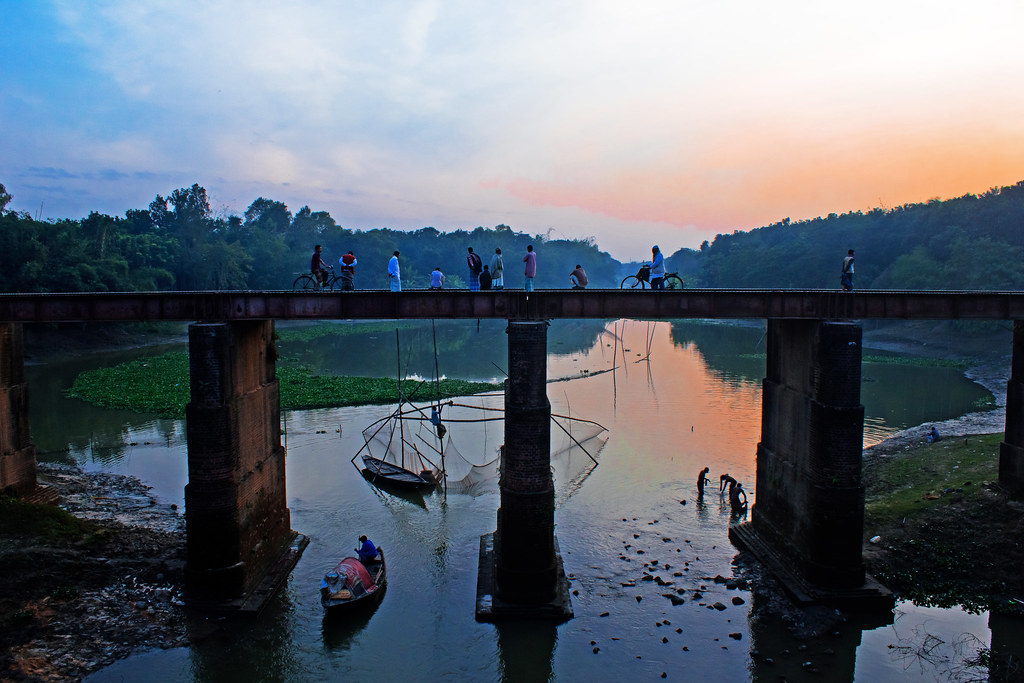
Historically, Faridpur was a fertile agricultural hub, famous for jute and rice production, with rivers like the Padma, Kumar, and Madhumati shaping its economy and culture . The region was a hotbed of anti-colonial movements, notably the Faraizi Movement led by Haji Shariatullah, and produced many luminaries such as Palli Kavi Jasimuddin, as well as being the ancestral home of Bangladesh's founder, Sheikh Mujibur Rahman . Post-partition, it became part of East Pakistan and witnessed significant battles during the 1971 Liberation War .
Key attractions include the home of poet Jasimuddin in Ambikapur, the ancient Mathurapur Deul (a 90-foot high terracotta structure), the historic Fatehabad Mint, the Rajendra University College (est. 1918), and the serene banks of the Padma River. The opening of the Padma Bridge in 2022 has significantly boosted the district's connectivity and economic potential .
District Administration
Deputy Commissioner (DC)
Mazharul Islam
Superintendent of Police (SP)
Md. Nazrul Islam
Civil Surgeon
Dr. Sajeda Begum