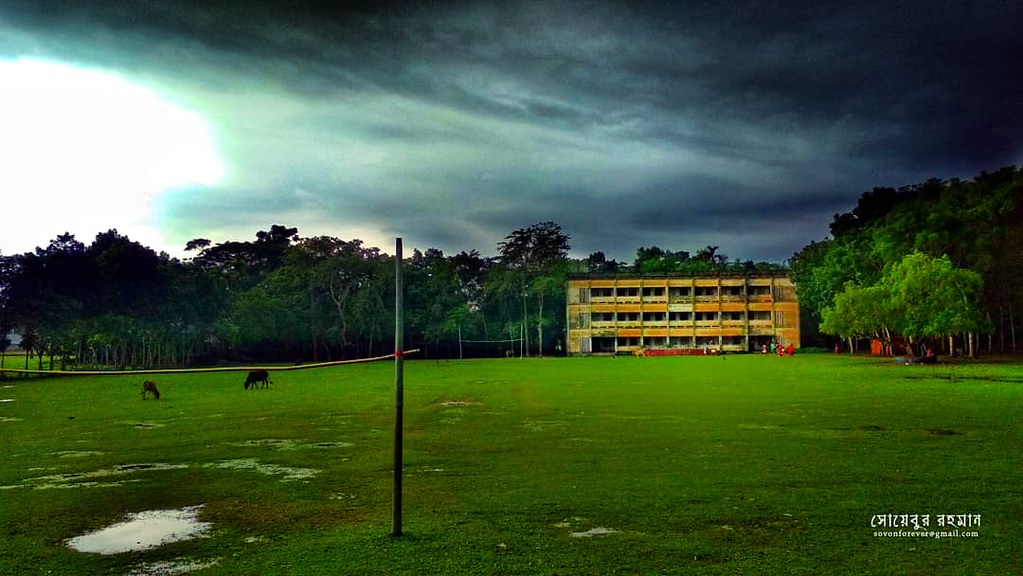
Gopalganj
Located in Dhaka Division, Gopalganj district borders Faridpur and Barisal, and is known for having the highest percentage of Hindus among all districts in Bangladesh, approximatel...
- Type
- District
- Established
- 1984
No listings in Gopalganj yet
Know a doctor, shop, service or place to visit here? Add the first listing — it goes live after a quick review.
On the map
Data © OpenStreetMap contributors · Boundary: geoBoundaries
Upazilas in Gopalganj (5)
About Gopalganj
Gopalganj District lies in Dhaka Division, bounded by Faridpur district to the North, Pirojpur and Bagerhat district to the South, Barisal District to the East, and Narail district to the West. It is situated on the bank of the Madhumati river and has a population of 1,295,057 according to the 2022 census. The district headquarters is also called Gopalganj.
The area’s history involves Babu Preetoram Marh, who purchased Makimpur Pargana in 1800. Rani Rasmoni, married to Babu Rajachandra Das, later became connected to the area. The name 'Gopalganj' reportedly originates from Nabo Gopal, a descendant of Rani Rasmoni, and Ranjganj, with tenants changing the name in respect of him. Historically, the area was part of ancient Bengal (Vanga) and later under the Gangaridai dynasty and various Hindu kingdoms before being incorporated into the British colonial system.
The district is traversed by several rivers, including the Gorai-Madhumati, Kaliganga, Hunda, Ghagore, Old Kumar, and Barashia rivers. Historically, the Chandana (now Modhumati) river served as a border between Jessore and Dhaka - Jalalpur districts. A large water body once existed in the area, making maritime robbery a regular occurrence.
Agriculture is the main livelihood for most residents. The district is known for its production of rice, jute, sesame, and peanuts. Gopalganj is also a significant exporter of jute and watermelons. The district has a literacy rate of 79.84%, higher than the national average.
Gopalganj holds significance in Bangladeshi politics as the birthplace of Sheikh Mujibur Rahman and Sheikh Hasina Wajed. The district has a notable Hindu population, particularly in Kotalipara Upazila. There are 356 mosques, 359 temples, and 250 churches within the district.
How to get there
About 133 km by road from Dhaka
- Bus from Dhaka Recommended
- Train from Dhaka to Gopalganj (via Faridpur)
- Launch from Sadarghat to Madaripur (then bus)
Check timetables and fares before you travel.
Key contacts
Official website www.gopalganj.gov.bd · current officers-
DC office
-
SP office (police)
-
Civil Surgeon office
Emergency numbers