Khulna
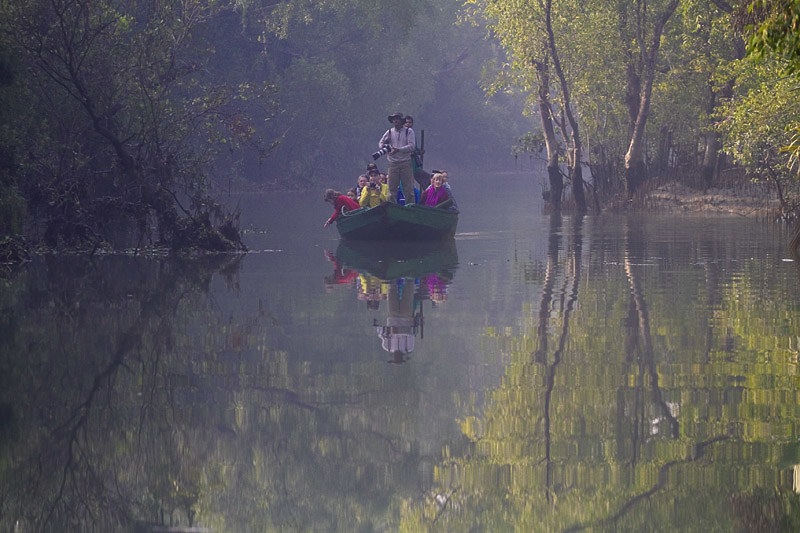
Khulna Division is the second-largest in Bangladesh, located in the southwestern part of the country and known for containing the Sundarbans, the world’s largest mangrove forest.
- Main river
- Madhumati Bhairab Kapotaksha
City corporations in Khulna (1)
No listings in Khulna yet
Know a doctor, shop, service or place to visit here? Add the first listing — it goes live after a quick review.
On the map
Data © OpenStreetMap contributors · Boundary: geoBoundaries
Districts in Khulna (10)
About Khulna
Khulna Division is situated in southwestern Bangladesh, bordering West Bengal, India to the west, Rajshahi Division to the north, Dhaka Division to the northeast, and Barisal Division to the southeast. It also has a coastline on the Bay of Bengal to the south. The division covers an area of 22,285 square kilometers and is part of the Ganges River delta.
The area was initially part of the Presidency Division during British rule, encompassing districts like Murshidabad, Calcutta, and Khulna. After the Partition of India in 1947, the district of Khulna, along with portions of Jessore and Nadia, became part of East Bengal. In 1960, the government of East Pakistan formed the Khulna Division, combining districts from Rajshahi and Dhaka divisions. Barisal Division was later separated from Khulna in 1993.
The geography of Khulna Division is characterized by rivers and islands. Key rivers include the Madhumati, Bhairab, and Kapotaksha. The region’s southern part is home to the Sundarbans, the world’s largest mangrove forest, and the coastline features numerous islands in the Bay of Bengal.
Khulna’s economy is significant, with the division’s GDP ranking third in Bangladesh, behind Dhaka and Chittagong. The Sundarbans, spread across Satkhira, Khulna, and Bagherhat districts, are a vital economic resource. The region's economy is driven by a mix of agriculture, industry and tourism.
The division boasts a diverse range of educational institutions, including Khulna University, Jashore University of Science and Technology, and several medical and engineering colleges. Numerous schools, colleges, and technical institutes are also present throughout the districts, contributing to the region’s educational landscape.